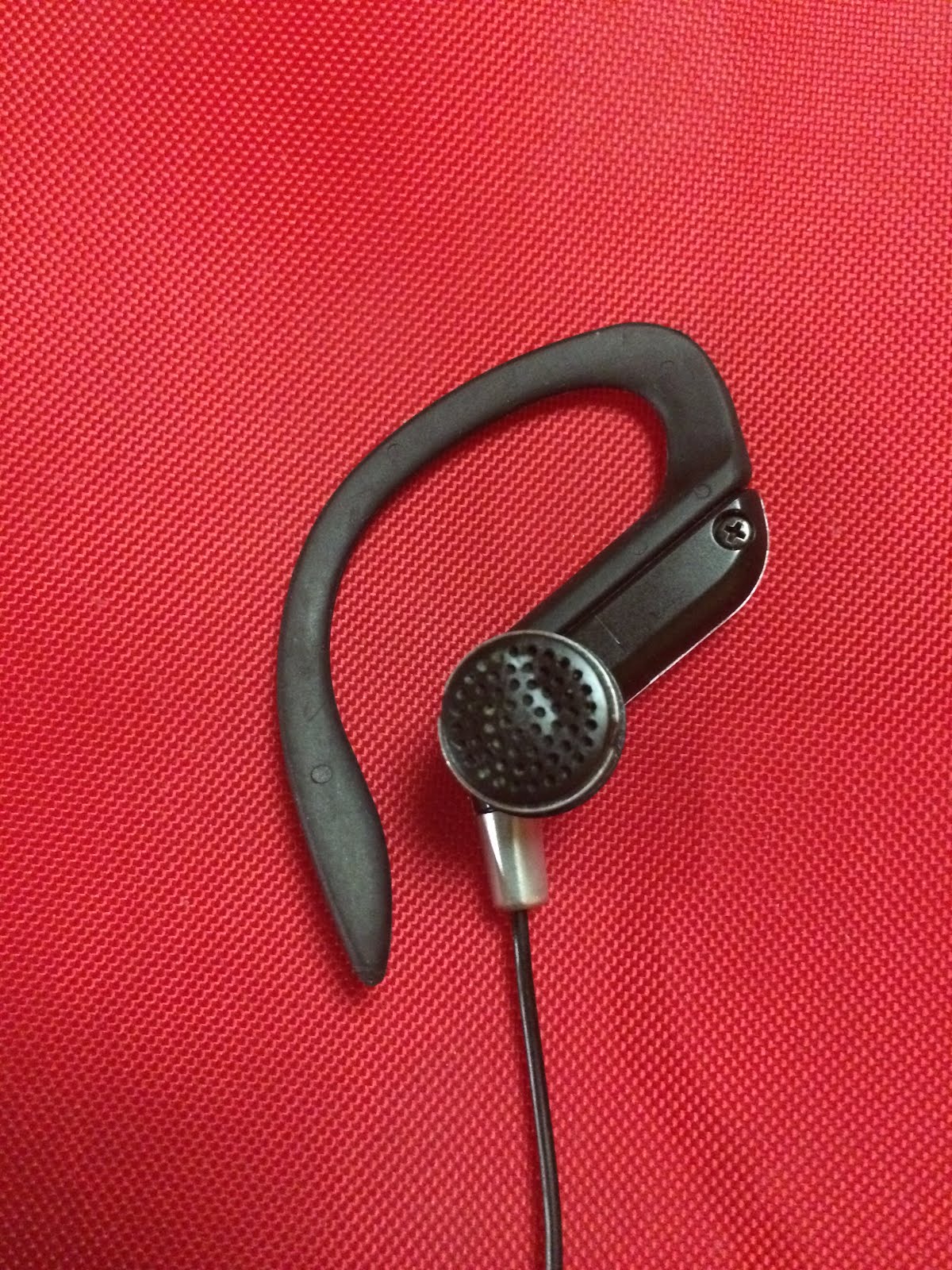
 Audiobooks are a controversial for some readers. The issue of
comprehension is a oft cited reason for many serious readers to shun them. It
is a fair question to ask. Is listening to an audiobook really reading?
Audiobooks are a controversial for some readers. The issue of
comprehension is a oft cited reason for many serious readers to shun them. It
is a fair question to ask. Is listening to an audiobook really reading?
I do listen to audiobooks. My number one priority when listening
to them is to ensure that my comprehension and understanding is equivalent to
my reading of physical books. To accomplish this goal I follow a set of rules
when I read them. By sticking to these rules I have been successful. Thus,
while perhaps not technically correct, I tend to use the terms “listen” and
“read” when it comes to audiobooks interchangeably.
First, I only listen to audiobooks if I also
have access to the written text. This allows me to go back and review in passages
if I deem it necessary to do so. This also allows me to use quotations for my
blog. This usually means that I either read books that are in the public
domain, so that I can download a free copy on the Internet or I already own a
copy of the book.
Second, I only listen to audiobooks when engaged
in activity that does not require concentration. I run and use exercise
machines a lot. Audiobooks are ideal listening when engaged in this type of
activity. I do not listen to audiobooks when involved in activity like driving
where my concentration is needed elsewhere. Listening to audiobooks only during
repetitive exercise also allows me to rewind if I lose concentration or if I
want to hear a passage again. The newest software for audiobooks also allows me
to easily “bookmark” a place in the text if I want to go back to it for further
examination. This is another feature that assists my blogging endeavors.
There are many types of books that may not
lend themselves to audiobooks, writers of difficult prose, philosophy, history
books where map aides are helpful to name few. I do not think that I would try to read
Plato’s dialogues as audiobooks. Stream of consciousness and other forms of
post – modern writing seem to not be conducive to this form of reading either,
at least upon the first reading. Though I have not done so myself, I have been
told that works such as James Joyce’s Ulysses,
which rely on stream of consciousness, word games, heavily accented dialog,
etc. work very well, and are in fact enhanced, in spoken format. With that, I
would not want to tackle such a work for the first time in audiobook form.
However, I am intrigued by the idea of trying Ulysses or a similar work in a second or third reading in audiobook
form. Thus, I may do so in the future.
By sticking to these rules. I believe that I lose nothing
in terms of reading comprehension when listening to books. When I think back to
books that I have listened to in the past, sometimes I have difficulty
recalling whether or I listened or actually read the book. Sometimes I even
think that because I prioritize comprehension, I think that my comprehension
might be higher with audiobooks.
All the above rules lead me to read a lot of Victorian
Authors via audiobook. They tend to be easy to comprehend, and all are
available to download text in the public domain. I read a lot Anthony Trollope,
Jane Austen, Charles Dickens and similar authors this way. I find it
interesting that Dickens spent a great deal of time reading his own works aloud
and was an advocate of having his text listened to. Some have speculated that he tailored his
prose specifically to be read aloud.
I tend not to reveal in my commentary whether the book
was via audiobook or not as I feel that
my comprehension of audiobooks has been just as good as the conventional form.
When I blog, I think that a side discussion on the format might distract from
the book itself.
Not everyone has the opportunity that I do to
“carefully” listen to audiobooks. The fact that I run and use gym machines on a
regular basis facilitates my ability to do so. But for me, audiobooks have
worked. I have maintained a high level of quality reading when listening. They
help fill my exercise time and even help keep me motivated. I also am able to read more because the fact
that I have utilized exercise time in this way. Audiobooks have worked well for
me.

